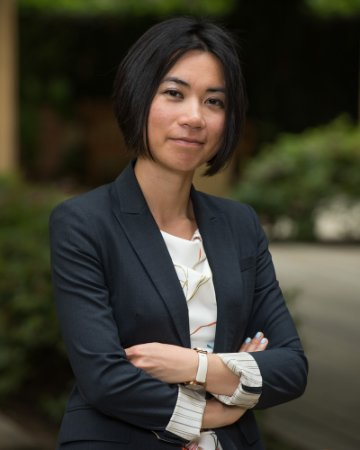
Studying Law in Motion Across Borders
Welcome to my site. My name is Mae Nguyen. I am an Associate Professor of Law at Temple University Beasley School of Law and an Affiliated Scholar at New York University School of Law’s U.S.-Asia Law Institute. I am also an elected Stephen M. Kellen Term Member of the Council on Foreign Relations (2023–2028).
I study the legal architecture of global commerce, with a focus on Asia. My work examines how cross-border business activity is organized, governed, and contested through the interaction of corporate law, contracts, and trade and investment rules. I'm also drawn to the bigger geoeconomic picture: how middle powers use legal and institutional tools, including their positions in global commerce, to navigate great power competition and what that means for the fast-changing international legal order.
Outside of my core research, I enjoy engaging with policy and practitioner audiences on these questions. I'm always glad to connect with scholars and practitioners working at the intersection of transnational business law, corporate governance, trade law, and Asia (especially East & Southeast Asia).
Contact me at: trang.nguyen@nyu.edu

Featured Projects
Hidden Power in Global Supply Chains
Harvard International Law Journal (2023)
ComplianceNet Outstanding Junior Scholars’ Paper Award
Today, transnational first-tier “Big Suppliers,” not brands, increasingly quarterback global production. In so doing, they reshape the legal and economic organizations of global supply chains and challenge conventional wisdom on corporate compliance.

Global Company Towns
University of Colorado Law Review (2025)
Featured on the Business Law Podcast
Modern “supply chain cities” revive the company-town model as a transboundary system of corporate control, operating as “legal entrepôts” that generate, diffuse, and exploit overlapping trade, investment, and labor regimes.

Goods’ Nationalities
Southern California Law Review (forthcoming 2026)
A product’s nationality is not fixed but rather a legally constructed designation. This Article advances a conceptual framework to unpack how various legal regimes (e.g., trade, security, human rights) pivot on distinct product attributes to pursue their own policy goals while straining against the reality of global production.

Legal Hedging: Power Acceptance and Rejection in Sino-Southeast Asian Ties
Wilson Center Policy Report (2023)
Southeast Asian states use “legal hedging” to both enmesh with and resist China by bundling power-acceptance and power-rejection strategies, including selective partnerships, multilateralism, and legal innovation.
Teaching Interests
Corporate Law
Contract Law
International Business Transactions
International Economic Law (Trade/ Regional Integration)
Comparative Corporate Governance
ASEAN Law
Awards & Recognitions
Association of American Law Schools, Section on East Asian Law & Society Chair, 2026–2027
Council on Foreign Relations, Stephen M. Kellen Term Member, 2023-2028
Woodrow Wilson International Center for Scholars, Wilson Fellow, 2022–2023
NYU School of Law, John N. Hazard Fellow in Comparative & International Law, 2017–2019
NYU Law Edmond Cahn Award (outstanding contributions to the NYU Law Review), 2013
NYU Law Jacobson Law & Business Scholar, 2010–2013
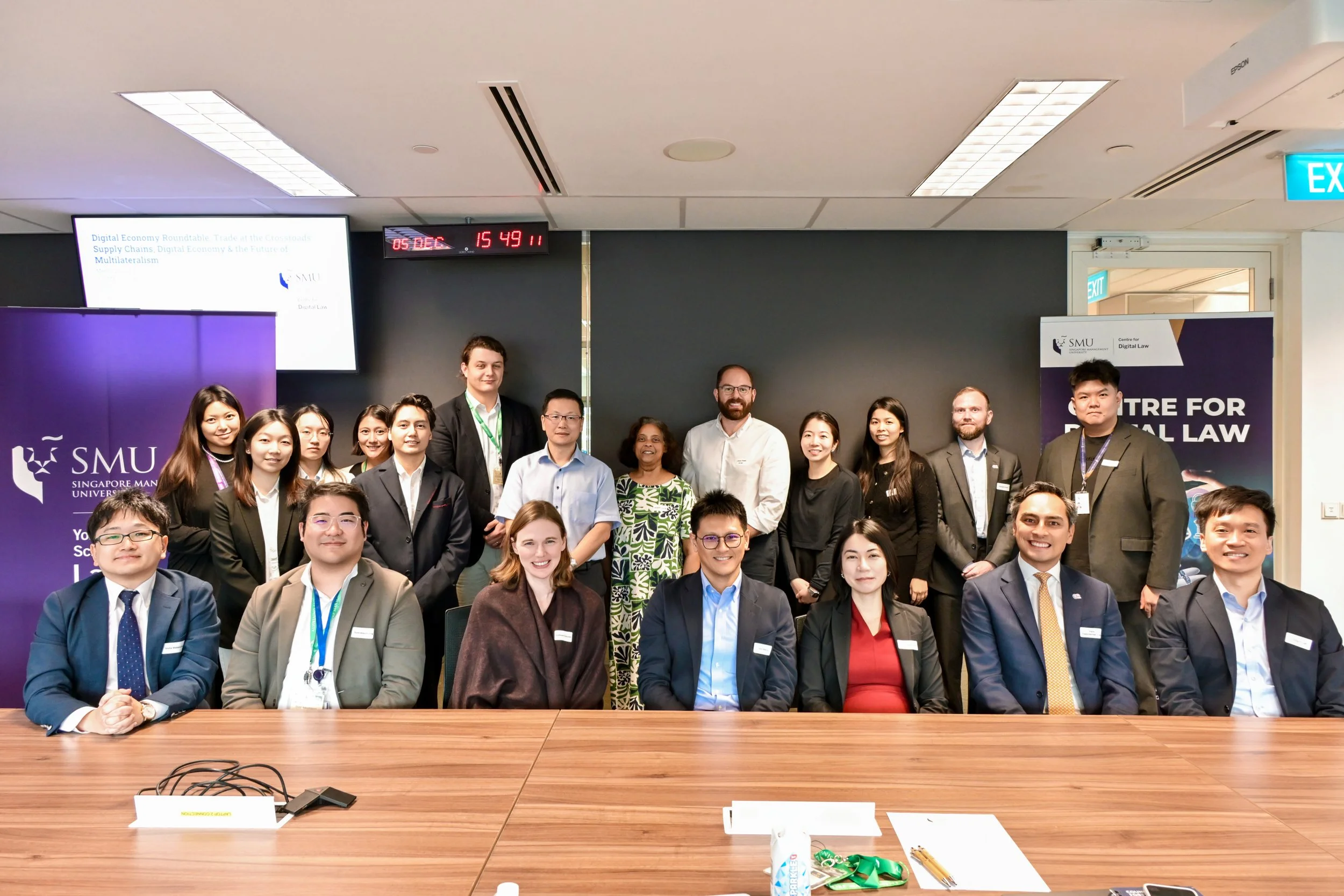
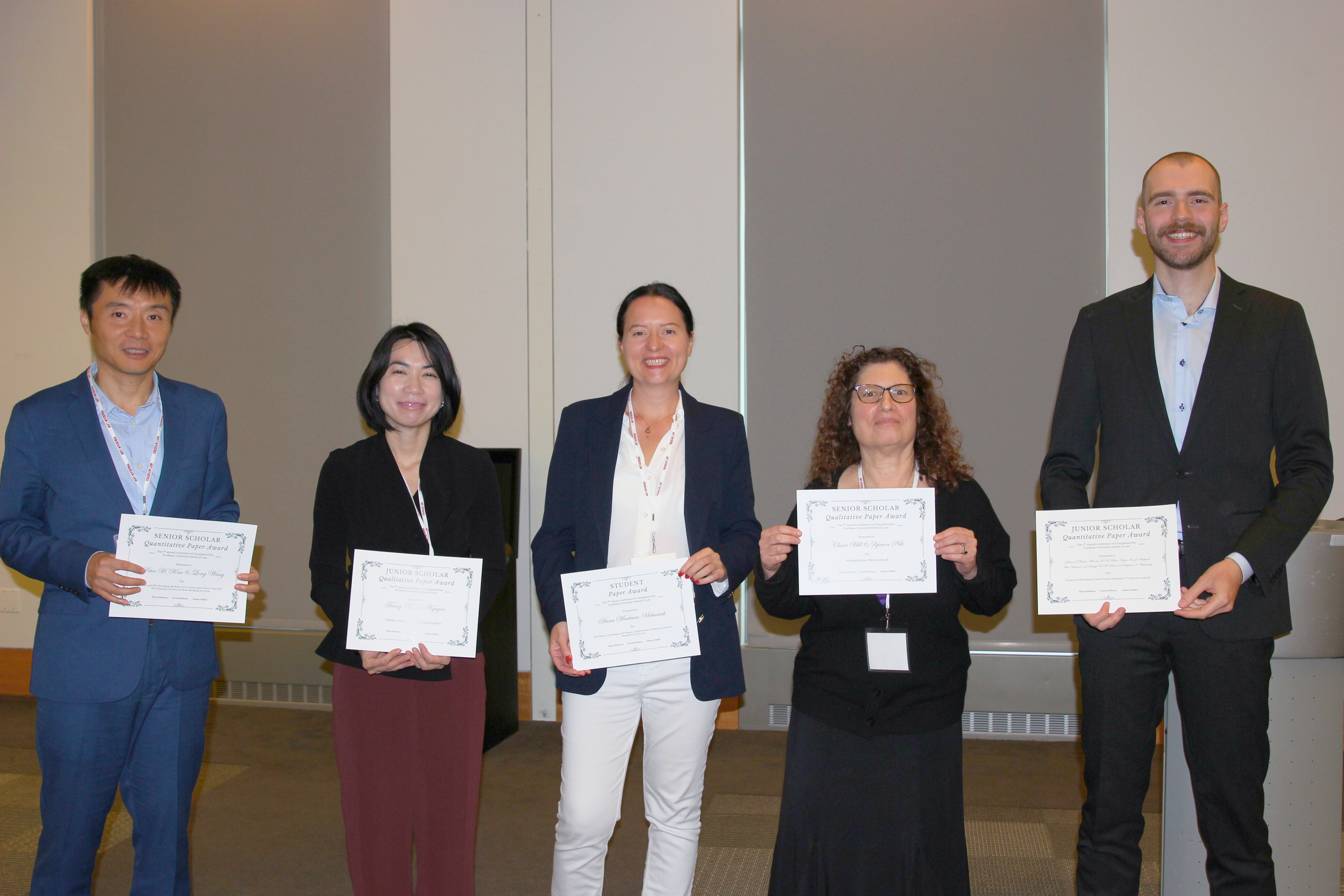
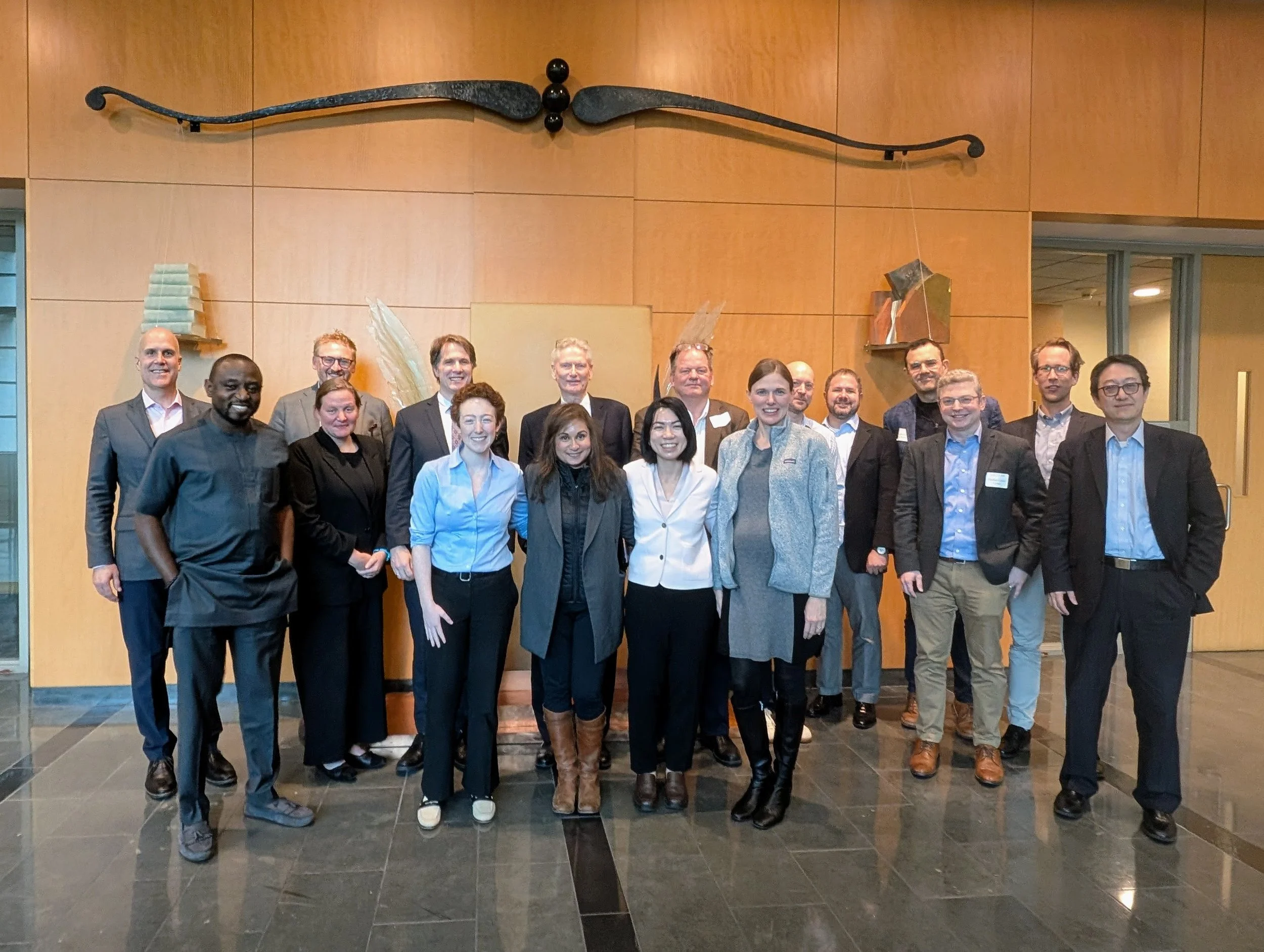
(1) Honored to be Lee Kong Chian Visiting Scholar at Singapore Management University Yong Pung How School of Law (2025), (2) Honored to receive the ComplianceNet Outstanding Junior Scholars’ Paper Award (2025), (3) Joining wonderful colleagues at the Berle XVII Corporate Law symposium on “International Business Transactions in a Fragmented World” (2025)